Chef Wilkinson


~~~~~~~~~~~~~~~~~~~~~~~~~~~~~~~~~~~~~~~~~~

Friday, December 10, 2010

* * * Gingerbread Men Cookies * * *

Ingredients:
3/4 cup butter (room temperature)
3/4 cup brown sugar
1/4 cup molasses
2 egg yolks
1/2 teaspoon vanilla
2 1/3 cups all purpose flour
2 teaspoons cinnamon
2 teaspoons ginger
1/4 teaspoon cloves
1/2 teaspoon baking soda
1/4 teaspoon salt

Cream butter, sugar and molasses with mixer on low. Add rest of the ingredients and mix on low until smooth. Divide into two equal balls, wrap with saran wrap and put in refrigerator for 4 hours or overnight. Remove one dough ball at a time and roll out on floured surface with rolling pin that has been floured. Roll to about 1/4 inch thick. The thinner you can get them the better because they swell up while cooking. Dip cutter in flour, cut out cookies, and place on a greased cookie sheet. Bake in preheated 375 degree oven for 10 to 12 minutes. Let sit for 7 or 8 minutes before removing from cookie sheet.

White frosting for Gingerbread Men:
1 cup powdered sugar
1/4 teaspoon vanilla
About 5 teaspoons milk

Mix together and put in pastry bag or plastic bag with end cut off to decorate the cookies. Add milk if needed to get right consistency.

And if you don't want Gingerbread Men ... be creative ... these are beautiful and just like the Fruit Cake cookies would make great gifts. ~ Chef Wilkinson ~

Thursday, December 9, 2010

~*~*~*~ Fruit Cake Cookies ~*~*~*~

Great gift giving idea!

Ingredients:
1 cup granulated sugar
1/2 cup shortening
1 egg
1 3/4 cup sifted all-purpose flour
1/2 teaspoon salt
1/2 teaspoon soda
1/4 cup buttermilk
3/4 cup chopped pecans
1 cup candied cherries
1 cup chopped dates
1/2 cup mixed candied fruits and peels

Preparation:
Cream shortening and sugar until light. Add egg and beat until well blended. Reserving a little of the flour to toss with the fruit. Combine remaining flour with the salt and soda. Add the dry ingredients alternately with buttermilk. Toss fruits with the reserved flour. Fold in the floured fruits and chopped pecans. Drop by spoonfuls onto greased baking sheets, leaving 1 1/2 to 2 inches between cookies. Bake at 400° for 8 to 13 minutes, depending on size of cookies. Makes from 3 to 5 dozen fruit cake cookies. Store in an airtight container.

In case you ever wondered ... the origin of Fruit Cake ... the earliest recipe from ancient Rome lists pomegranate seeds, pine nuts and raisins that were mixed into barley mash. In the Middle Ages, honey, spices and preserved fruits were added, and the name "fruitcake" was first used. Fruitcakes soon began showing up all over Europe; however, recipes varied greatly in different countries throughout the ages, depending on the available ingredients as well as church regulations forbidding the use of butter. Pope Innocent VIII (1432-1492) finally granted the use of butter, in a written permission known as the 'Butter Letter' or 'Butterbrief.' Starting in the 16th century, sugar from the American Colonies (and the discovery that high concentrations of sugar could preserve fruits) created an excess of candied fruit, thus making fruitcakes more affordable and popular.

Now you know all there is to know about Fruit Cakes ... share your knowledge with the family this Holiday Season!
~ Chef Wilkinson ~

Wednesday, December 8, 2010

~ Bourbon Fruit Cake ~

OK now I know what you are thinking ... yuck Fruit Cake! This is not your typical dry cardboard tasting Fruit Cake. It has been years since I came across someone who still prepares Fruit Cake like my grandmother once did. (Thank you Gloria for the recipe.) So push up your sleeves and show your family what Fruit Cake is supposed to taste like.

2 cups chopped walnuts or pecans
1 jar (3-½ oz.) candied red cherries
2 cups of raisins
1 cup of bourbon
----------------------------------------
1-½ cups butter or margarine, softened
2 cups sugar
1 tsp. vanilla
7 eggs
----------------------------------------
Mix these ingredients together:
3-½ cups flour (sift before measuring)
1-½ tsp. baking powder
1 tsp. nutmeg
½ tsp. salt

In a large bowl combine nuts, cherries and raisins with ½ cup bourbon. Mix well and let stand at room temperature overnight. Liquid will be absorbed.

The next day ... preheat oven to 350 degrees. Grease and flour a 10" Bundt or tube pan.

In a large bowl, beat at medium speed: butter, sugar and vanilla until light and fluffy. Add eggs one at a time, beating well after each addition. Continue beating for 4 minutes, scrapping sides of bowl. Batter will become thick, fluffy and lighter in color. At low speed gradually beat in flour mixture (flour, baking powder, nutmeg and salt) until smooth.

Add this to the fruit mixture you soaked overnight. Combine well. Turn into prepared pan. Smooth top with spatula. Bake for 1 hour and 15 minutes or until cake tester comes out clean. Cool in pan on wire rack 20 minutes.

Soak cheesecloth in rest of bourbon. Wrap cooled cake in cheesecloth and foil then refrigerate several days to mellow. Will keep for weeks in refrigerate.

Now this is what a Fruit Cake was intended to taste like. Grab a knife and plate. Enjoy! ~ Chef Wilkinson ~

Tuesday, December 7, 2010

~ Coconut Cake ~

Another holiday favorite!

Ingredients:
3 cups sifted cake flour (sift before measuring)
2 teaspoons baking powder
1/4 teaspoon salt
1 cup butter, room temperature
1 pound powdered sugar
4 egg yolks, well beaten
1 cup milk
1 teaspoon vanilla
1 cup shredded coconut
4 egg whites, well beaten
.
Frosting:
1 cup sugar
1/2 cup light corn syrup
3 tablespoons water
3 egg whites
1/4 teaspoon cream of tartar
1/4 teaspoon salt
1 1/2 teaspoons vanilla
1 cups grated coconut
Preparation:
Cake: Measure the sifted cake flour into a bowl. Add baking powder and salt. Sift these ingredients 3 times. In a mixing bowl, cream butter thoroughly; add sugar gradually. Continue creaming until light and fluffy. Add the beaten egg yolks and beat well. Add flour mixture alternately with the milk, beating well after each addition. Stir in coconut and vanilla. Fold in egg whites gently. Bake in greased 8-inch pans at 350° for about 30 minutes, or until a wooden pick or cake tester inserted in center comes out clean. Makes three 8-inch layers.

Frosting: Combine sugar, corn syrup, water, egg whites, cream of tartar and salt in top of double boiler. Cook over rapidly boiling water, beating with electric hand-held mixer until mixture stands in peaks. Remove from heat; add vanilla. Continue beating until frosting is firm enough to hold when spread on cake. Frost cake sprinkle immediately with grated coconut, pressing coconut onto sides of cake with hands. ~ Chef Wilkinson ~
Monday, December 6, 2010

~* Old Fashioned Southern Jam Cake *~

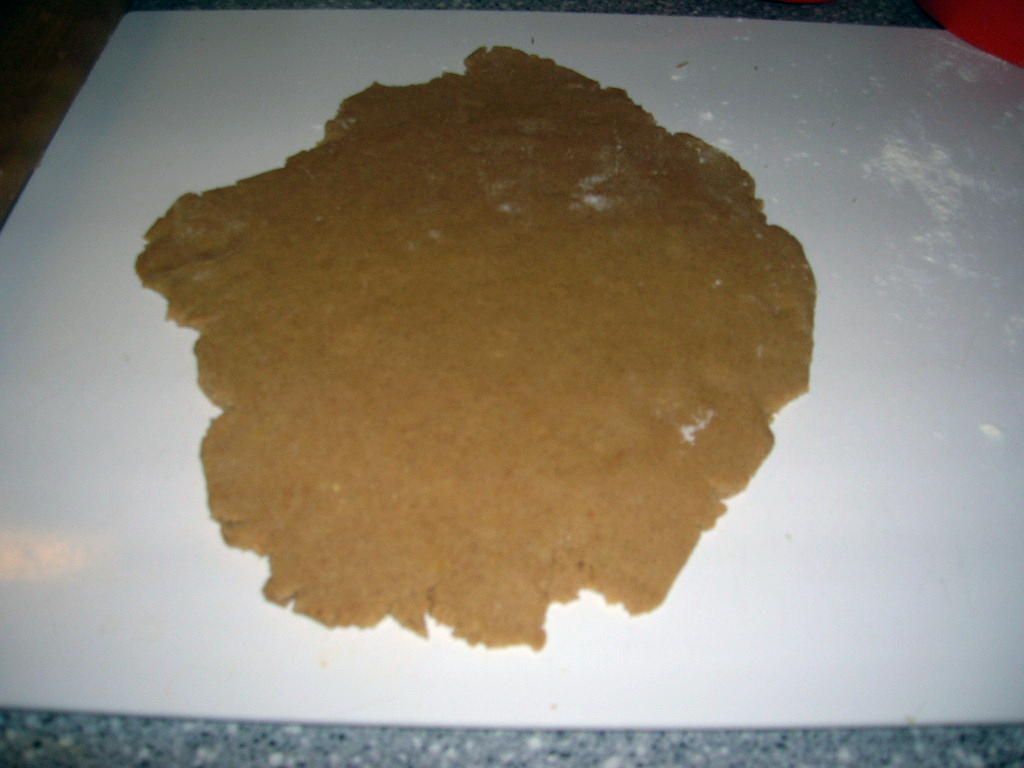
Another Southern Christmas favorite is Jam Cake. I know my grandmother used pear preserves in her Jam Cake recipe but unfortunately I do not have her recipe in my collection. In my search I did not find any Jam Cake recipes that used pear preserves. This recipe is the closest I have found. Thanks to Judy for both the recipes and the picture.

Old Fashioned Southern Jam Cake
1 3/4 cups all-purpose flour
1 1/2 cups sugar
1 cup vegetable oil
1 cup buttermilk
1 cup raisins
1 cup Smucker's seedless blackberry jam
1 teaspoon soda
1 teaspoon baking powder
1 teaspoon cinnamon
1 teaspoon nutmeg
1 teaspoon cloves
1 teaspoon allspice
1/2 teaspoon salt
1 teaspoon vanilla
1 cup finely chopped pecans
3 eggs
Preheat oven to 350 degrees and spray or flour 2 (9 inch) round baking pans. Put all ingredients into a large bowl except pecans and mix well on low. Increase speed to high until sugar is completely dissolved. Fold in pecans and pour into pans. Bake 40 minutes or until cake pulls away from side of pans. Remove cake from pans and add caramel icing.

Caramel Frosting
2 1/4 cups brown sugar
1 1/2 sticks butter or margarine
2 teaspoon vanilla
3 tablespoon white corn syrup
4 1/2 tablespoon milk
2 1/4 cups confectioners sugar
Melt all ingredients except confectioners sugar on top of stove. Remove from heat and add sugar. Stir or cool until it has a glazed look and is of spreading consistency. Spread on cake. It is now time to enjoy some Southern Hospitality! ~ Chef Wilkinson ~

Friday, December 3, 2010

- - - Origin of Gingerbread Houses - - -

The origin of Gingerbread dates back to ancient times when the spice "ginger" was known for its medicinal properties, often used for curing stomach aches. Small gingerbread cakes adorned with symbols of the sun were made to celebrate the Winter Solstice in pre-Christian Europe. Catholic monks baked gingerbread for special religious celebrations. The cakes were constructed in specific designs depicting saints and religious motifs. The early carvings were made with a large and elaborately carved "cookie board" that impressed the pattern onto a stiff rolled dough. As the costs of exotic ingredients and spices dropped, gingerbreads slowly became more popular across Europe and Britain. The English added bread crumbs to the recipes. In the 16th and 17th centuries, gingerbread became lighter, with flour replacing breadcrumbs in the recipes. As early as 1573, molasses was used instead of honey and by the mid 1600s it had replaced honey altogether. Butter and eggs became popular additions to enrich the mixture. The first gingerbread man is credited to the court of Queen Elizabeth I, who impressed important visitors with charming gingerbread portraits. The tradition of baking a Gingerbread House began in Germany after the Brothers Grimm published their collection of German fairy tales in the early 1800s. Among the tales was the story of Hansel and Gretel, children left to starve in the forest, who came upon a house made of bread and sugar decorations. ~ Chef Wilkinson ~

Thursday, December 2, 2010

~~ More on Gingerbread Houses ~~

To make tube-shaped pieces find a metal tin the size of what the tube or tower should be (in diameter). You can practice by wrapping the tin with paper and measuring the paper. Then cut out the dough based on this flat piece. Bake the piece (again, still flat, baking it on foil). As soon as the piece is done baking, let it cool for about a minute or two (just cool enough to handle) then drape it around the metal tin to finish cooling (foil and baked dough). When the piece is totally cool remove from the tin (sliding the tin out from the middle) and carefully remove the foil from the inside. Since the dough is still very pliable after removing from the oven, this method of draping over a "shape" AFTER baking works very well.

Royal Icing - Glue Frosting
3 T. meringue powder
6 T. warm water
1 pound powder sugar
½ t. cream of tartar
1 t. Vanilla or Almond flavoring

Note: 3 egg whites may be substituted for 3 tablespoons of meringue powder. Omit the water if using real egg whites.

Because this frosting dries quickly and very hard this is the recommended frosting to use for gluing together the walls and roof sections.
1. Keep all utensils completely grease-free. Combine all ingredients, mixing slowly with stationary mixer until peaks form. Beat at high speed for 7 to 10 minutes. This is important for the frosting to be soft enough to use with a pastry bag.
2. This frosting is fast drying – keep bowl covered with a damp cloth. If icing is too thick when using fine tubes, add a few drops of water. For thicker icing, beat in a little extra confectioners sugar.

Store leftover frosting, tightly covered, in the refrigerator for weeks. Rebeat before using again (if using real egg-whites, the frosting will not keep its cementing properties after the initial beating). This recipe makes about 3 ½ cups of glue frosting.
* * * * * * * * * * *
At this point you now have your pieces (photo courtesy of Anna) and glue frosting you are ready to assemble. Once the gingerbread house has been assembled use your imagination to decorate. The possibilities are endless. Have fun!

~ Chef Wilkinson ~